What if you could go up a cup size using your own belly fat instead of silicone? You can. It’s called fat transfer breast augmentation, and it’s quietly become one of the most-requested options. But it’s not always cheaper, and it can’t do what implants do. Let’s sort out which makes sense for you.
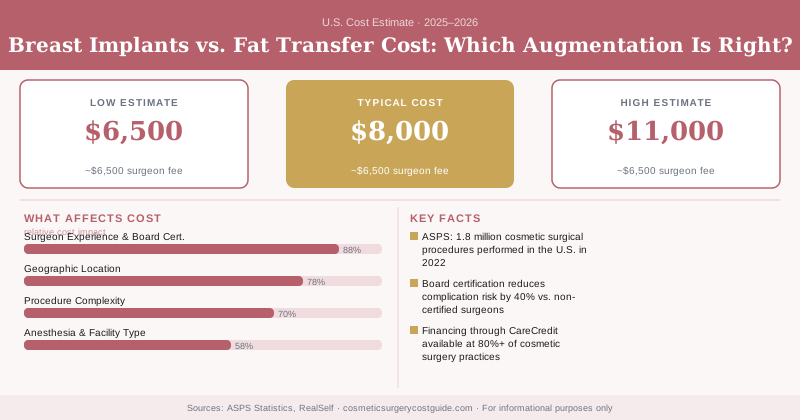
The Aesthetic Society reported the average surgeon fee for breast augmentation with implants at roughly $6,500 in 2023. Fat transfer often costs more because it includes liposuction to harvest the fat first.
| Breast Implants | Fat Transfer |
|---|---|
| ~$6,500 surgeon fee | $8,000–$11,000 all-in |
| Silicone or saline device | Your own harvested fat |
| Up to 2+ cup sizes | Modest, ~half to one cup |
| May need replacement | No device to replace |
| No body slimming | Slims donor area |
What fat transfer can realistically deliver
Fat transfer takes liposuctioned fat from your belly, thighs, or flanks and injects it into the breasts. The appeal is obvious. No foreign device, a natural feel, and you slim down a problem area at the same time. Two wins in one operation.
The limit is size. Fat transfer typically adds about half a cup to one cup. Your body also reabsorbs 30–50% of the transferred fat in the first months, so surgeons overfill and you may need a second session. If you want a dramatic increase, fat transfer can’t get you there.
What implants do that fat can’t
Implants offer predictable, significant volume. Want to go from an A to a full C? Implants are the reliable route. They also give more upper-pole fullness, that rounded look up top that many patients want. The breast augmentation cost guide breaks down how implant choice and placement shift the price.
The trade-off is that implants are medical devices. They can develop capsular contracture, they can rupture, and many will need replacement at some point over the years.
Want a big, predictable increase with upper fullness? Implants win, and they’re often the lower-cost option upfront. Want a modest, natural bump with no device and a slimmer waistline? Fat transfer is your match, just accept the size ceiling and possible touch-up.
The “do I have enough fat” question
Fat transfer only works if you have fat to spare. Slim patients often don’t have enough donor fat to make a meaningful difference. Implants don’t care about your body fat, which makes them the practical pick for leaner patients.
If you’re carrying extra in the midsection, the harvest doubles as contouring. Our liposuction cost guide shows how the harvesting portion is priced when it’s bundled into augmentation.
Fat transfer can create small calcifications or oil cysts that show up on mammograms. A good surgeon documents this so it isn’t mistaken for something concerning during breast cancer screening. Always tell your radiologist you’ve had fat grafting.
Longevity and maintenance
Surviving transferred fat is permanent, behaving like the rest of your body fat, so it grows or shrinks with weight changes. There’s no device to replace, which is a long-term cost saver.
Implants have a shelf life. Manufacturers and surgeons generally suggest monitoring and possible replacement over the years, which is a recurring cost most patients underestimate.
The scarring difference
Fat transfer is appealing on this front too. Because the fat goes in through small injection points, there’s no significant breast scar, just tiny marks at the donor liposuction sites that fade. Implants require a real incision, usually in the breast fold, around the areola, or in the armpit, and that leaves a scar, though surgeons place it discreetly. If minimal scarring is a priority for you, fat transfer has a clear edge.
Recovery differences
Implant recovery centers on the chest: soreness, tightness, restricted lifting for a few weeks. Fat transfer adds recovery at the donor sites too, since you’ve also had liposuction. So you’re managing soreness in two areas, but neither tends to be severe. Most patients are back to desk work within a week with either approach, though strenuous activity waits a few weeks longer.
Which one fits you?
Choose implants for bigger, predictable volume and a lower upfront price. Choose fat transfer for a natural, modest enhancement with no device and a bonus contouring effect, if you have the fat to spare. Many patients also combine an implant with a small fat-transfer “touch-up” for the best of both. To plan the budget either way, our cosmetic surgery financing guide lays out payment options.
Frequently Asked Questions
Breast implant augmentation averages $6,500 in surgeon fees, while fat transfer breast augmentation typically costs $8,000–$11,000. The fat transfer procedure is generally more expensive because it involves liposuction to harvest fat, processing, and precise injection techniques, in addition to the surgeon's time.
No, both implant-based and fat transfer breast augmentation are considered elective cosmetic procedures and are not covered by health insurance. You should expect to pay the full cost out-of-pocket, though many surgeons offer financing plans or payment arrangements to help manage expenses.
Fat transfer works best if you have adequate fat reserves elsewhere on your body (abdomen, thighs, flanks) and realistic expectations about modest cup-size increases of one-half to one size. If you want a dramatic increase, more projection, or don't have enough donor fat, implants are typically the better choice and may be your only option.