Buy it from your surgeon’s office and you’ll pay double. That single decision is the difference between a $60 garment and a $130 one for the exact same product. Compression garments are the most overlooked recurring cost in cosmetic surgery recovery, and where you buy them matters almost as much as which one you get.
Nearly every body and breast procedure requires compression. After liposuction, a tummy tuck, or a breast augmentation, the garment helps swelling go down and skin tighten onto the new shape. Here’s what you’ll actually spend, broken out by what you’re having done.
Cost by Procedure
The garment type and number of stages drive the price. A single surgical bra is cheap; a multi-stage body suit is not.
| Procedure | Garment Type | Cost |
|---|---|---|
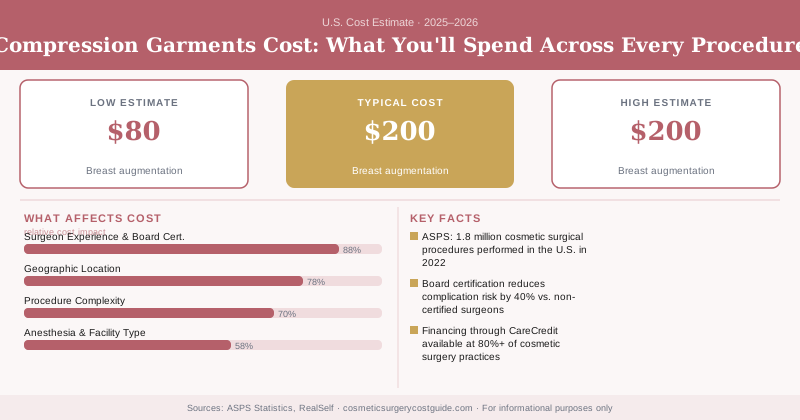
| Breast augmentation | Surgical bra (x2) | $80–$200 |
| Liposuction (1–2 areas) | Compression vest/shorts | $80–$250 |
| Lipo 360 / large lipo | Full-body stage garments | $150–$500 |
| Tummy tuck | Abdominal binder (x2) | $120–$300 |
| Arm lift | Compression sleeves | $60–$160 |
| Thigh lift | Compression leggings | $90–$240 |
The American Society of Plastic Surgeons reported over 1.5 million surgical cosmetic procedures in 2023, and the overwhelming majority of body and breast cases require compression of some kind. It’s a near-universal recovery cost almost nobody quotes you.
Why You Buy More Than One
Compression is meant to be worn nearly around the clock at first. That only works if you own a backup to wear while the other’s in the wash. One garment plus laundry equals hours without compression, exactly when your tissue needs it most. Two is the minimum for most procedures.
Stages: When One Size Won’t Do
Big body procedures use staged garments. The Stage 1 piece fits your swollen post-op size; once swelling drops at week two or three, you size down to a Stage 2 piece for even pressure. That’s why lipo 360 and large-volume cases land at the top of the range.
Compression garments run $60 to $500 depending on the procedure, and you’ll almost always need at least two. Buy your backup yourself from a medical supply retailer instead of through the office, where markups routinely double the price.
The Office Markup Trap
Surgical practices commonly mark garments up two to three times over retail. The first garment is often included in your surgical kit, which is fine. The mistake is buying every additional garment through the office. Get the exact size and compression class from your surgeon, then order the rest yourself.
Don’t substitute department-store shapewear for medical-grade compression. Regular shapewear rolls, bunches, and applies uneven pressure that can dent healing tissue or distort your contour. The garment is doing medical work; treat it like a medical device, not an outfit.
Getting the Fit Right
A garment that’s too tight cuts circulation and digs grooves; too loose does nothing. Sizing down too early, before swelling drops, is just as bad as sizing up. Follow your surgeon’s size guidance for each stage rather than guessing, and add foam pads under the garment to spread pressure on body procedures.
The Bottom Line on Garments
Across procedures, compression is small money next to the surgery, but it’s the part that protects your result. If you’re combining work, say a mommy makeover or a breast lift with lipo, expect garment costs to stack and lean toward the high end.
If the surgery itself is the budget squeeze, financing it keeps cash free for garments and the rest of recovery. For how compression fits the full healing timeline, see our recovery guide. Spend smart here: right garment, but bought at the right place.
Frequently Asked Questions
Compression garments typically cost $60–$500 depending on the procedure and number of garments needed across recovery stages. Buying directly from your surgeon's office can cost 2–3 times more than purchasing the same garment independently, so shopping around can save $50–$100 per garment.
Compression garments are considered part of cosmetic surgery recovery and are not covered by insurance, even when medically necessary for healing. You'll pay the full out-of-pocket cost, which is why purchasing from retailers rather than surgical offices significantly reduces your total recovery expenses.
Most body and breast procedures require compression garments for 2–6 weeks during the initial healing phase, with some patients wearing them longer for optimal results. Many surgeons recommend having 2–3 garments on rotation to allow for washing, which means budgeting for multiple purchases rather than a single garment.