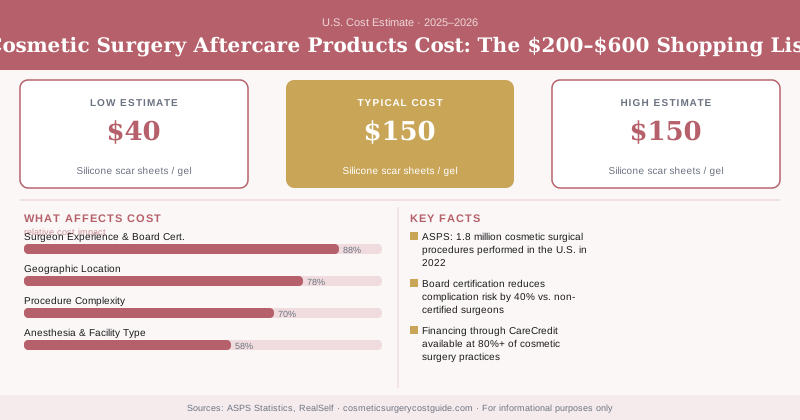
What does it cost to fill a recovery cart before surgery day? More than you’d guess. Between scar gel, wound supplies, sleep gear, and the dozen little things you didn’t know you’d need, the aftercare shopping list lands somewhere between $200 and $600, and that’s before garments or massage. It’s the cost that hides in plain sight on every procedure.
Whether you’re recovering from a facelift, a breast augmentation, or liposuction, there’s a predictable cluster of products surgeons expect you to have ready. Let’s price out the full cart so nothing surprises you.
The Full Aftercare Shopping List
Some of this is mandatory, some is comfort. Here’s the realistic spread for a typical recovery kit.
| Item | Cost |
|---|---|
| Silicone scar sheets / gel | $40–$150 |
| Gauze, surgical tape, wound supplies | $25–$70 |
| Antibacterial / gentle cleanser | $10–$30 |
| Prescription co-pays (pain, antibiotics) | $25–$120 |
| Stool softeners & OTC meds | $15–$40 |
| Wedge pillow / recliner setup | $30–$120 |
| Cold compresses / gel packs | $15–$45 |
| Arnica, supplements, hydration aids | $20–$60 |
| Total aftercare products | $180–$635 |
The American Society of Plastic Surgeons reported over 1.5 million surgical cosmetic procedures in 2023, and nearly every one comes with some version of this list. Surgeons assume you’ll have it; most patients don’t know it’s coming.
What’s Genuinely Mandatory
Wound supplies, prescription meds, and a way to sleep elevated aren’t optional. Skip the gauze and tape and you’re improvising on a fresh incision. Skip the prescriptions and you’re in pain or risking infection. These are the non-negotiables, and they’re the cheaper part of the list.
What’s Worth It but Optional
Silicone scar products are the big optional spend, and most patients who care about scar appearance buy them. Arnica for bruising, quality cold packs, and a comfortable recovery setup fall into the “makes recovery easier” bucket. Worth it for comfort, not strictly required.
Budget $200–$600 for aftercare products on top of your surgery and your compression garment. Scar treatment and a good sleep setup are the biggest optional costs; wound supplies and prescriptions are the mandatory ones you can’t skip.
Where Patients Overspend
The trap is buying everything in a pricey pre-packaged “recovery kit” or through the surgeon’s office. You’ll pay a premium for convenience. Most of this list is generic pharmacy and online retail stock at a fraction of kit pricing. Build your own cart and you’ll cut the total meaningfully.
Don’t buy scar treatment until your incisions are fully closed. Applying silicone gel or sheets to open or scabbing wounds can trap bacteria and cause irritation. Your surgeon will tell you when to start, usually a couple of weeks out, so there’s no rush to buy it before surgery day.
Don’t Forget the Prescriptions
Co-pays for pain medication, antibiotics, and anti-nausea meds add up fast, especially without good insurance. Ask your surgeon for the prescription list in advance so you can check pricing and use a discount pharmacy app rather than paying sticker at the counter.
Building a Smart Cart
The move is to get your surgeon’s exact aftercare list at the pre-op appointment, then shop it yourself before surgery day so you’re not sending someone out while you’re groggy and sore. If you’re combining procedures like a mommy makeover, the list grows, so budget toward the high end.
If the surgery price is already tight, financing it keeps cash free for the cart you actually need. And our recovery guide covers how these products fit the week-by-week timeline. The products are small individually; the cart total is what people miss.
Frequently Asked Questions
Plan to spend $200–$600 on aftercare supplies before surgery, covering items like scar gel, wound care supplies, compression garments, and recovery pillows. This estimate does not include prescription medications or specialized massage tools, which may add another $100–$300 depending on your procedure type.
No—because cosmetic surgery is elective, insurance does not cover aftercare products, medications, or recovery supplies. You will pay 100% out-of-pocket for all post-operative care items, making the $200–$600 aftercare budget an important part of your total procedure cost.
You should buy aftercare products 1–2 weeks before your scheduled surgery so everything is ready when you arrive home from your procedure. Purchasing in advance prevents you from having to shop while recovering and ensures you have items on hand immediately when you need them most during the first critical recovery weeks.