You’ve got a date, a dress, and a deadline. That last one is what makes wedding cosmetic surgery different from any other kind — you can’t push the timeline, so you plan backward from the big day.
The cost depends entirely on what you want done and how invasive it is. A bride wanting a smoother profile in photos has very different needs from one planning a full body transformation. Both are common, and both require completely different lead times.
Weddings drive a real chunk of cosmetic demand. ASPS data has consistently shown facial procedures like rhinoplasty among the most-requested surgeries year after year, and the Aesthetic Society reports millions of nonsurgical treatments annually — many timed to events. Brides and grooms are a known segment surgeons plan for.
Pre-Wedding Procedure Costs by Timeline
| Procedure (lead time needed) | Cost |
|---|---|
| Botox / fillers (2–4 weeks out) | $400–$1,500 |
| Liposuction of one area (8–12 weeks) | $3,500–$7,000 |
| Rhinoplasty (12+ months — swelling) | $7,000–$15,000 |
| Breast augmentation (3–6 months) | $4,000–$8,000 |
| Combined body procedures (6+ months) | $12,000–$25,000 |
Timing Is Everything
The biggest mistake is booking surgery too close to the date. A rhinoplasty looks great in photos — but residual swelling can linger for up to a year, and the final refined shape isn’t set for 12 months. If your wedding is in four months, that’s the wrong procedure to start now.
Nonsurgical work is the opposite. Botox needs about two weeks to settle, fillers a similar window. Those are safe to do a few weeks out. The rule of thumb: the more invasive the procedure, the more buffer you need before the date.
Plan cosmetic surgery backward from your wedding date. Nonsurgical treatments need 2–4 weeks, body procedures like liposuction need 8–12 weeks, and a rhinoplasty needs a full year for swelling to resolve. If you’re combining procedures, doing them in one session saves money on anesthesia and consolidates your recovery into a single window before the big day.
Where the Costs Stack Up
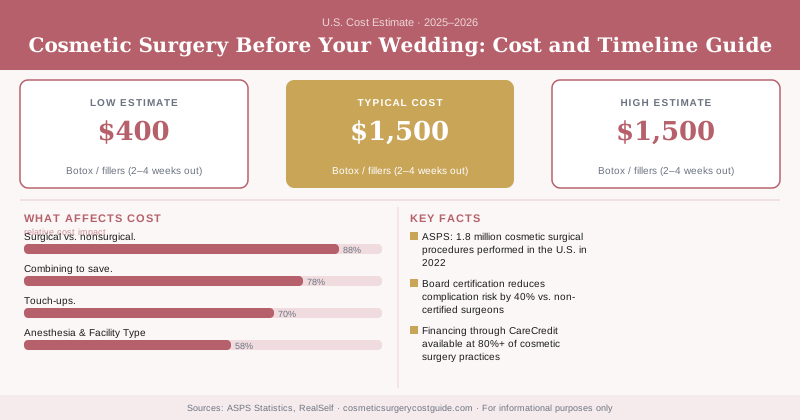
Surgical vs. nonsurgical. A few syringes of filler is a couple thousand dollars. A combined surgical package is five figures. Decide which lane you’re in early.
Combining to save. If you want two body procedures, doing them in one session means one anesthesia fee and one facility fee instead of two — a savings of $3,000–$6,000. A breast augmentation plus liposuction in one sitting is a common pre-wedding combo.
Touch-ups. Build in budget for a small filler refresh closer to the date if your main work was done months out.
The Recovery Math
A breast augmentation means about a week off the most strenuous activity and several weeks before full comfort — fine if your wedding is three-plus months out. A tummy tuck needs 6 weeks before exercise and longer before scars settle, so it’s a 6-month-minimum procedure.
Combining procedures means one recovery instead of two, which is a genuine advantage when you’re juggling wedding planning on top of healing.
Never schedule invasive surgery in the final 8 weeks before your wedding. Bruising, swelling, and the small but real risk of a complication that needs revision could leave you healing on your wedding day instead of glowing. Give yourself a buffer — and a backup plan if something needs more recovery time than expected.
Paying for It
Insurance doesn’t cover cosmetic procedures done for a wedding. Plan to pay out of pocket or finance.
Most practices offer financing through CareCredit or Prosper. A $12,000 package on a 24-month plan runs around $550/month — confirm the APR before signing, since longer terms often carry 14–26% interest. Verify your surgeon’s credentials with a board-certified plastic surgeon, and ask for an itemized quote so you know exactly what your wedding-day investment covers.
Frequently Asked Questions
Pre-wedding cosmetic procedures range from $2,000 for nonsurgical treatments like Botox or dermal fillers to $20,000 or more if you're combining multiple procedures such as a facelift with rhinoplasty. The total cost depends on what you want done—minor touch-ups cost significantly less than surgical body contouring or facial reconstruction.
No—health insurance does not cover elective cosmetic procedures, whether surgical or nonsurgical, since they are considered optional rather than medically necessary. You will pay the entire cost out-of-pocket, though many practices offer payment plans or financing options to spread costs over several months before your wedding date.
Most surgeons recommend scheduling invasive procedures like facelifts or liposuction 3 to 6 months before your wedding to allow for full healing and swelling to subside. Nonsurgical options like injectables can be done 2 to 4 weeks before the event, though some patients prefer scheduling them earlier to ensure natural-looking results by wedding day.