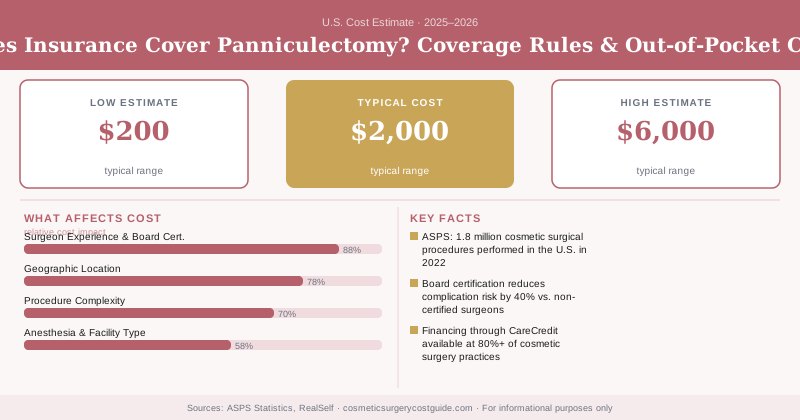
A panniculectomy can run $8,000 to $15,000 if you pay cash — but here’s what most people miss: insurance approves it far more often than a tummy tuck, because it’s classified as a functional, not cosmetic, procedure. The catch is that “approved” rarely means “free.” You’ll still owe your deductible, coinsurance, and anything your plan decides isn’t medically necessary.
So let’s break down when insurers actually say yes, and what you’ll pay even when they do.
Panniculectomy vs. Tummy Tuck: Why Insurers Treat Them Differently
A panniculectomy removes the hanging apron of excess skin and fat (the “pannus”) that often remains after major weight loss. It does not tighten abdominal muscles or reshape the waistline — that’s a tummy tuck, which insurers almost universally call cosmetic.
This distinction is the whole game. Insurers cover panniculectomy when the pannus causes documented medical problems, not when you simply dislike how it looks.
Panniculectomy is covered when the overhanging skin causes recurring medical problems — chronic rashes, infections, or mobility issues. A tummy tuck done for contour alone is never covered. If your surgeon bundles both, insurance pays only for the panniculectomy portion, and you pay cash for the rest.
What Insurers Require for Approval
Most major carriers use similar medical-necessity criteria. You’ll typically need to document:
| Requirement | What Insurers Want to See |
|---|---|
| Stable weight | 6–18 months at a stable weight (often post-bariatric) |
| Documented rashes/infections | Photos plus 3+ months of treated intertrigo or cellulitis |
| Failed conservative care | Records of antifungals, topical steroids, hygiene measures |
| Functional impairment | Notes on mobility, hygiene difficulty, or back strain |
| Pannus grade | Often grade 3+ (hangs below the pubic area) |
According to the American Society of Plastic Surgeons, more than 24,000 panniculectomy procedures were performed in 2022, many tied to the rise in post-bariatric body contouring. The procedures with real medical documentation are the ones that get paid.
What You Still Pay Even When Approved
This is where the surprise hits. “Covered” means your plan applies it to your benefits — not that it’s free.
| Cost Component | Typical Out-of-Pocket |
|---|---|
| Annual deductible | $1,500 – $4,000 |
| Coinsurance (20%) | $1,000 – $3,000 |
| Non-covered cosmetic portion | $2,000 – $6,000 |
| Pre-op labs/imaging | $200 – $600 |
So even an approved panniculectomy often leaves you owing $1,500 to $6,000. If you’re combining it with cosmetic muscle tightening, that cash portion climbs fast.
How to Strengthen Your Approval Odds
Documentation wins claims. Start a paper trail months before you apply: dated photos of rashes, dermatology visits, antifungal prescriptions, and your primary doctor’s notes about functional problems. A board-certified surgeon’s office that handles a lot of insurance cases will know exactly how to write the letter of medical necessity — that’s worth asking about during your consult. See our board-certified plastic surgeon guide for what to look for.
Never let a surgeon submit a panniculectomy claim while quietly performing a full tummy tuck and billing the extra to insurance. That’s insurance fraud, and you can be on the hook. Pay cash for any cosmetic add-on, and keep it separate on the bill.
If your claim gets denied, appeal — denials are routine and often reversed on the second pass with stronger documentation. For broader rules on what counts as medically necessary, read does insurance cover plastic surgery.
If Insurance Says No
Plenty of people don’t meet the criteria but still want the pannus gone. In that case, you’re looking at cash pricing, and cosmetic surgery financing becomes the realistic path. Prices also swing by region, so it’s worth comparing plastic surgery cost by state before booking.
The Bottom Line
Panniculectomy is one of the most insurance-friendly body procedures out there — but only with real medical documentation, and even then you’ll pay your deductible and coinsurance. Budget $1,500 to $6,000 out of pocket if approved, and full cash price if it’s purely for appearance. Build your documentation early, choose a surgeon who knows the insurance game, and appeal any denial.
Frequently Asked Questions
A panniculectomy typically costs $8,000 to $15,000 if you pay cash out-of-pocket. This price covers the surgeon's fee, facility costs, and anesthesia, but can vary based on the extent of the procedure and your geographic location.
Insurance approves panniculectomy more often than cosmetic procedures because it's classified as functional surgery rather than cosmetic. However, even with approval, you'll typically owe $1,500 to $6,000 in out-of-pocket costs including your deductible, coinsurance, and any portions your plan deems not medically necessary.
Most patients can return to light activities within 2 to 3 weeks and resume normal work within 4 to 6 weeks, though full recovery takes 8 to 12 weeks. Your surgeon will provide specific restrictions based on your job type and the extent of your procedure.