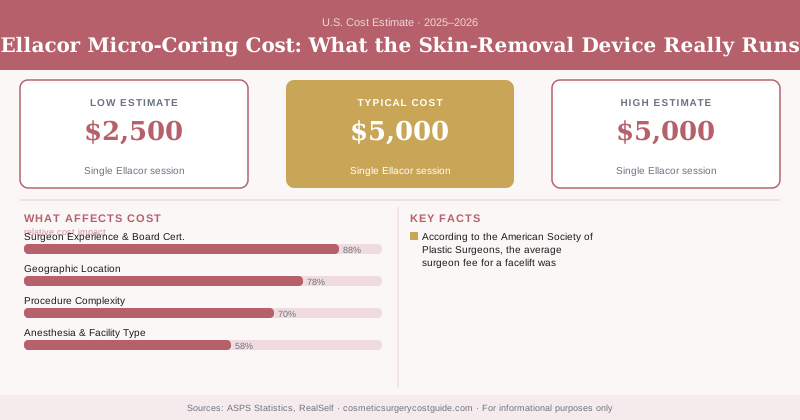
Picture a device that removes tiny columns of skin with needles thinner than a strand of hair, then lets the surface tighten back up. That’s Ellacor, and a single session usually runs $2,500 to $5,000. Some practices bundle two or three sessions into a package that lands closer to $8,000.
Ellacor earned FDA clearance in 2021 for improving moderate-to-severe wrinkles in the lower face. It’s the first device approved using “micro-coring” technology, which physically extracts up to 8% of skin tissue per session without leaving visible scars. That mechanism is genuinely different from heating or wounding the skin the way most resurfacing tools do.
Why Ellacor Costs What It Costs
You’re paying for novelty and scarcity. The hollow needle tips are single-use and expensive, the device itself costs a clinic well into six figures, and relatively few providers offer it. When supply is thin and demand is curious, prices stay high.
| Treatment Detail | Typical Cost |
|---|---|
| Single Ellacor session | $2,500 – $5,000 |
| Three-session package | $7,000 – $9,000 |
| Touch-up/maintenance session | $2,000 – $3,500 |
| Numbing/topical anesthesia | Often included |
Geography matters too. A Manhattan or Beverly Hills practice charges noticeably more than one in a mid-size Midwestern city. Provider experience pushes the number up as well, since the technique is still new enough that real expertise is rare.
How It Compares to Other Tightening Options
People weighing Ellacor are often also looking at energy-based tightening. The pricing isn’t wildly different from premium devices, but the approach is. Where radiofrequency microneedling like Morpheus8 heats the dermis to stimulate collagen, Ellacor removes tissue outright. Both aim at sagging, just by opposite routes.
If you’ve priced out a surgical lower facelift, Ellacor can look like a bargain. According to the American Society of Plastic Surgeons, the average surgeon fee for a facelift was around $11,395 in 2023, and that figure excludes anesthesia and facility costs. Ellacor won’t match a facelift’s dramatic result, but it sidesteps general anesthesia and weeks of downtime.
Expect $2,500 to $5,000 per Ellacor session, with most candidates needing one to three sessions. It costs less than surgery and treats skin laxity through actual tissue removal rather than heat.
What’s Included and What Isn’t
Always ask whether the quote covers numbing, follow-up visits, and any post-care products. Some clinics quote a low headline number and tack on extras. A good practice will walk you through the full plan before you commit.
Ellacor isn’t for everyone. People with active acne, certain skin types prone to pigment changes, or unrealistic expectations may not be good candidates. A consultation with a board-certified dermatologist or plastic surgeon should come before any deposit.
Is It Worth the Money?
That depends on what bothers you. If loose skin and deep folds around the lower face are your concern and you want to avoid the operating room, Ellacor is one of the few non-surgical tools that actually removes tissue. If you’re chasing fine lines or texture, cheaper options like microneedling or laser skin resurfacing may serve you better for far less.
Paying for It
Insurance won’t touch this since it’s cosmetic. Many practices offer financing through CareCredit or in-house plans, which can spread a multi-session package over manageable monthly payments. If you’re comparing the long-term math against surgery, our guide to cosmetic surgery financing breaks down the options.
Before you book, get at least two consultations. Ellacor’s results build over months as the skin remodels, so patience is part of the deal. And if a clinic can’t show you their own before-and-after photos, keep shopping.
Frequently Asked Questions
A single Ellacor micro-coring session typically costs between $2,500 and $5,000, depending on the treatment area size and provider location. Many practices offer package deals for two or three sessions bundled together, which can bring the total closer to $8,000 for multiple treatments.
Ellacor is considered a cosmetic procedure and is not covered by health insurance, meaning you'll pay the full cost out-of-pocket. Some medical practices may offer financing options or payment plans to help spread the expense over time.
Most patients benefit from a series of two to three sessions spaced 4-6 weeks apart to achieve optimal results for moderate-to-severe lower-face wrinkles. Results typically continue improving for several months after treatment and can last 12-18 months, after which touch-up sessions may be recommended.