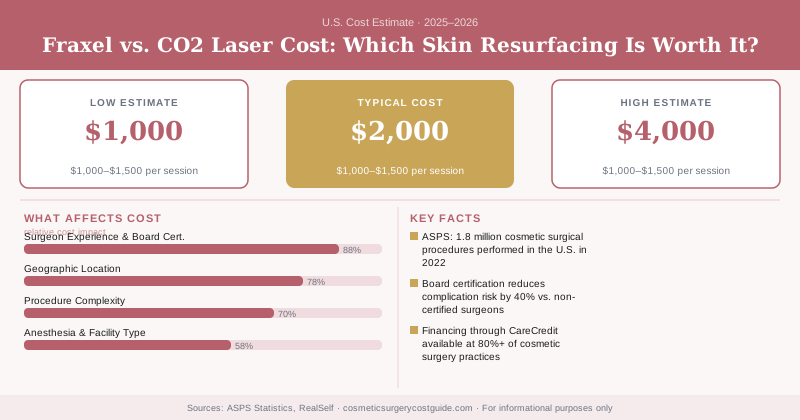
How much downtime can you stomach? That’s really the question behind choosing between Fraxel and a CO2 laser. Both resurface your skin to erase sun damage, scars, and fine lines. But one is the gentler, do-it-over-a-series approach, and the other is the heavy hitter that sidelines you for a week. The right pick balances results against how long you can hide.
Laser skin resurfacing sits within the booming non-surgical category. The Aesthetic Society’s 2023 data showed skin treatments and energy-based procedures performed by the millions, far outpacing surgery in sheer volume.
| Fraxel | CO2 Laser |
|---|---|
| $1,000–$1,500 per session | $2,000–$4,000 full treatment |
| Usually 3–5 sessions | Often one session |
| Mild-to-moderate downtime | 7–14 day downtime |
| Gradual improvement | Dramatic, single-pass results |
| Treats fine lines, tone, mild scars | Treats deep lines, scars, damage |
What Fraxel does
Fraxel is a fractional laser, meaning it treats microscopic columns of skin while leaving surrounding tissue intact, which speeds healing. It’s great for fine lines, uneven tone, sun spots, and mild scarring. Because it’s gentler per pass, you’ll usually need a series of three to five sessions to reach your goal.
The upside is manageable downtime, a few days of redness and flaking. The downside is the cumulative cost. Four sessions at $1,200 each is nearly $5,000, which can exceed a single CO2 treatment.
What CO2 laser does
A CO2 laser is the powerhouse of resurfacing. It removes the outer skin layers and heats the deeper tissue aggressively, triggering major collagen remodeling. It tackles deeper wrinkles, significant sun damage, and more pronounced scarring, often in a single session.
The trade-off is real downtime. Expect seven to fourteen days of redness, peeling, and oozing as the skin heals, plus strict sun avoidance afterward. The dramatic result comes with a dramatic recovery.
Mild concerns and you can’t take a week off? Fraxel’s gentler series fits your life, just budget for multiple sessions. Deep wrinkles, serious sun damage, or pronounced scars, and you can clear your calendar? A single CO2 treatment delivers more in one go and often costs less than a full Fraxel series.
The cost-per-result math
On paper, Fraxel’s per-session price looks lower. But you need several sessions, so the total often matches or beats a single CO2 treatment. CO2’s higher sticker price buys a one-and-done approach with bigger results, if you can handle the downtime.
For combined tightening plus resurfacing on a shorter recovery, some patients compare radiofrequency microneedling. Our Morpheus8 cost guide covers that alternative.
Both lasers carry a real risk of pigment changes, especially for darker skin tones. CO2 in particular can cause lasting lightening or darkening if done improperly. Always choose a provider experienced with your specific skin type, and be honest about your sun exposure habits, since post-laser sun damage can undo everything.
Skin tone matters
This is critical. Aggressive CO2 resurfacing carries higher pigmentation risk for medium-to-dark skin tones. Fraxel and other fractional options are often safer choices for those patients. A qualified provider will assess your skin type before recommending either.
How long results last
Both lasers work by triggering your skin to build fresh collagen, so improvement keeps developing for a few months after treatment. Results can last several years, but they’re not permanent, your skin keeps aging and accumulating new sun damage. Most patients maintain their results with diligent sunscreen and the occasional lighter touch-up. The single biggest factor in how long your investment lasts is sun protection, so a good SPF habit is non-negotiable after either laser.
When you’re really after lifting, not resurfacing
Lasers smooth and tighten skin texture, but they don’t lift sagging tissue. If loose skin is your main concern, resurfacing won’t fix it, and you’d be better served looking at our facelift cost guide to understand surgical lifting.
Bottom line
Choose Fraxel for milder concerns and tolerable downtime across a series. Choose CO2 for dramatic, single-session results on deeper damage, if you can take the recovery and your skin tone is suited to it. To spread the cost of either, our cosmetic surgery financing guide explains payment options for non-surgical treatments.
Frequently Asked Questions
Fraxel laser costs $1,000–$1,500 per session and typically requires 3–5 sessions spaced 2–4 weeks apart, bringing total treatment to $3,000–$7,500. CO2 laser averages $2,000–$4,000 for a full treatment completed in one session, making it more expensive upfront but requiring only one procedure.
Most health insurance plans do not cover laser skin resurfacing for cosmetic purposes like wrinkles and sun damage, as these are considered elective treatments. However, if the procedure addresses scarring from injury or medical conditions, some plans may cover a portion—contact your insurer for specific policy details, but expect to pay the full cost out-of-pocket in most cases.
Fraxel has minimal downtime of 2–3 days with redness and mild swelling, allowing you to return to normal activities quickly. CO2 laser requires 7–10 days of significant downtime with crusting, redness, and peeling, meaning you should plan to stay home during the initial recovery phase.