A hematoma is your most likely surgical complication — and the most likely to send you back to the operating room within hours. It’s a pocket of blood collecting under the skin when a vessel keeps bleeding after surgery, and a big one is a true emergency. So what does treating it cost?
Hematoma is among the most common complications across cosmetic surgery, and procedures like facelifts and tummy tucks carry a recognized hematoma risk that the Aesthetic Society and surgeons track closely. The cost depends entirely on size and timing.
Small vs. Large Hematoma
A small, stable hematoma might just be watched — blood reabsorbs over weeks. A medium one might be drained with a needle in the office. A large, expanding one needs an urgent return to the OR to find and stop the bleeding vessel. Those three scenarios span a huge price range.
Hematoma After Surgery Cost
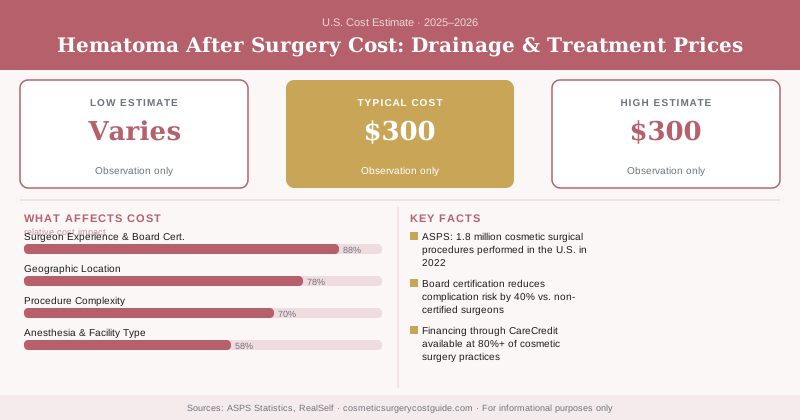
| Treatment | Cost Range | When It’s Used |
|---|---|---|
| Observation only | $0–$300 | Small, stable collection |
| Needle aspiration (office) | $300–$1,000 | Moderate, liquefied hematoma |
| Surgical evacuation (return to OR) | $3,000–$8,000 | Large or expanding hematoma |
| ER / hospital admission | $5,000–$15,000+ | Emergency with bleeding control |
| Blood transfusion (if needed) | $1,000–$4,000 | Significant blood loss |
These ranges depend heavily on whether you’re in your surgeon’s office or an emergency room — the ER multiplies everything.
Who Pays?
This is the critical question. If you had elective cosmetic surgery, the complication is often considered part of that elective episode — meaning you. Some surgeons include revision/complication coverage; many don’t. And insurance frequently denies hematoma care tied to a cosmetic procedure. Our guide on insurance and plastic surgery explains where the line falls.
A rapidly swelling, painful, tightening area after surgery is a medical emergency — not something to “sleep on.” Expanding hematomas can compromise blood flow and skin survival. Call your surgeon immediately or go to the ER. Waiting to avoid a bill can turn a $1,000 drainage into a $15,000 emergency.
Why Some Procedures Are Higher Risk
Facelifts have one of the higher hematoma rates because the face is so vascular, and men have a higher rate than women. Blood thinners, aspirin, certain supplements, and uncontrolled blood pressure all raise the odds. If you’re planning a facelift, this risk is worth discussing in detail at consult.
Hematoma treatment ranges from near-free observation to $15,000+ for an emergency OR return with transfusion. Most cosmetic complications fall to the patient, not insurance. The cheapest path is prevention — stop blood thinners as directed and control your blood pressure before surgery.
Lowering Your Risk
Follow pre-op instructions exactly: no aspirin, NSAIDs, fish oil, or certain herbal supplements for the window your surgeon specifies. Keep blood pressure controlled. These steps cost nothing and dramatically cut hematoma odds.
Ask Before You Book
Before any procedure, ask your surgeon what their complication policy is. Some cosmetic surgery revision and complication costs are absorbed by the practice; others aren’t. Knowing upfront prevents a nasty surprise, and cosmetic surgery financing can backstop you if a complication does land out of pocket.
The Timeline You Should Know
Most significant hematomas show up within the first 24 to 48 hours — that’s the highest-risk window and why surgeons want you reachable right after surgery. A small, delayed hematoma can appear a week or two out, usually from bumping the area or restarting blood thinners too soon. Knowing the timeline helps you stay alert when it matters most and avoid panicking over normal bruising, which is different and expected.
Bruising Is Not a Hematoma
Worth clearing up: bruising spreads, fades through colors, and stays soft and flat. A hematoma is a firm, often tense swelling that grows, throbs, and may feel like a hard lump under the skin. Normal bruising costs nothing and resolves on its own. If you can’t tell which you’re dealing with, a quick photo to your surgeon’s office usually sorts it out — far cheaper than an unnecessary ER trip.
What Drives Your Personal Risk
Beyond the procedure itself, your habits matter. Aspirin, ibuprofen, fish oil, vitamin E, and many herbal supplements thin the blood. So does poorly controlled high blood pressure, which is one of the most common avoidable triggers. Getting your blood pressure managed and clearing the right medications before surgery costs nothing and is the single best way to stay out of the expensive end of the table above.
Bottom Line
Hematoma cost swings wildly with severity — and it usually falls on you. Treat any rapid swelling as an emergency, follow pre-op blood-thinner rules, and clarify your surgeon’s complication policy before surgery day.
Frequently Asked Questions
Hematoma drainage typically costs $500–$2,500 for aspiration (needle or catheter removal) performed in-office or under local anesthesia. If the hematoma requires return to the operating room under general anesthesia, costs jump to $3,000–$8,000 depending on facility fees, anesthesia, and surgeon time.
Insurance typically does not cover hematoma treatment if it resulted from elective cosmetic surgery, since the initial procedure itself is not covered. However, if the hematoma becomes a medical emergency requiring hospitalization, some insurance may cover the emergency treatment portion; you should expect to pay out-of-pocket for $1,500–$5,000 of the total cost.
Hematomas most commonly form within 24–48 hours after surgery, though they can appear up to 1–2 weeks post-op. Small hematomas may reabsorb on their own over 2–4 weeks, but larger ones causing pain, swelling, or skin compromise typically require drainage within 24–72 hours to prevent infection and permanent scarring.