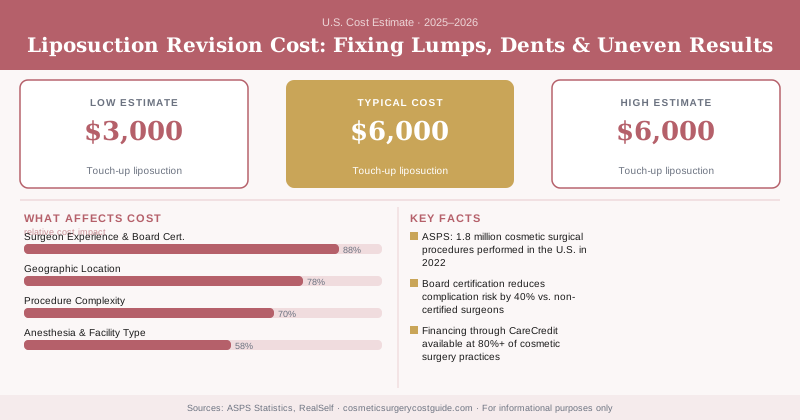
In 2010, you could be excused for thinking liposuction was a simple fat-vacuuming procedure with predictable results. Today we know better — uneven removal, dents, and rippling are common enough that revision liposuction is its own specialty. And it’s harder than the first surgery.
Liposuction is consistently among the top cosmetic surgical procedures in the U.S., with the Aesthetic Society counting it in the hundreds of thousands annually. With that many cases, contour irregularities show up in a meaningful fraction. Here’s what fixing them costs.
The Three Ways Lipo Goes Wrong
Over-resection leaves dents and a hollow, skeletal look. Under-resection leaves stubborn pockets that didn’t get touched. And uneven technique leaves waviness or asymmetry between sides. Each demands a different correction — sometimes adding fat back, sometimes removing more, sometimes both.
Liposuction Revision Cost
| Revision Type | Cost Range | What It Fixes |
|---|---|---|
| Touch-up liposuction | $3,000–$6,000 | Residual fat pockets |
| Fat grafting for dents | $4,000–$8,000 | Over-resected hollows |
| Combined lipo + fat transfer | $6,000–$12,000 | Mixed contour problems |
| Skin tightening add-on | $2,000–$5,000 | Loose skin after fat loss |
| Complex deformity correction | $10,000–$15,000+ | Severe waviness or asymmetry |
These figures usually include the surgeon, anesthesia, and facility. Compression garments are typically bundled, but extra post-op lymphatic massage can add a few hundred dollars.
Why Revision Lipo Is Harder
The first time, the fat layer is smooth and untouched. After surgery, scar tissue forms between the skin and muscle, which makes the cannula movement uneven and unpredictable. Revising into scarred tissue is technically demanding — that’s why a revision can cost as much as or more than your original liposuction.
Don’t revise too early. Swelling after liposuction can take three to six months to fully resolve, and what looks like a permanent dent at week six is often just uneven swelling. Operating too soon can correct a problem that would have settled on its own — and create a real one.
Fat Grafting: The Dent Fix
Over-resected areas — the most distressing result — usually need fat added back. The surgeon harvests fat from elsewhere and grafts it into the hollow. Survival is unpredictable, so a second graft session is sometimes needed. This overlaps with fat transfer correction techniques used across the body.
Liposuction revision runs $4,000–$12,000, and complex deformity work can exceed $15,000. Wait at least six months for swelling to resolve before deciding, and expect revision into scarred tissue to be more expensive and less predictable than your first procedure.
Choosing the Right Surgeon
Revision lipo is not entry-level work. Look for a surgeon who does contour correction routinely, not just primary cases. Our board-certified plastic surgeon guide explains how to confirm credentials and revision experience before you book.
Paying For It
Because revisions are almost never covered by insurance, most patients finance. The cosmetic surgery revision landscape shares the same payment realities — read up before committing to a plan.
Skin Quality Changes Everything
Here’s a factor people overlook: your skin’s ability to retract. Younger patients with elastic skin redrape smoothly after touch-up liposuction. Older skin, or skin already stretched by the first surgery, may stay loose or wavy no matter how perfect the fat removal is. In those cases, the surgeon may recommend a skin-tightening add-on or even a small skin excision — which is why that line sits on the cost table. Your skin, not just the fat, determines what’s achievable.
Will Your Original Surgeon Help?
Some practices offer a touch-up policy within a set window — often at a reduced facility fee rather than free. But contour irregularities frequently aren’t covered because they’re considered a normal variation rather than an error. Read your original agreement, and don’t assume a redo is owed to you. If you’ve lost confidence in the first surgeon, paying a contour specialist is money well spent.
What Recovery Looks Like
A revision means another compression garment, another few weeks of swelling, and limited activity early on. Lymphatic massage can speed the swelling down and runs a few hundred dollars over several sessions. Factor in time off if your job is physical. The recovery for a revision is similar to the original — don’t expect it to be easier just because it’s a touch-up.
Bottom Line
Lipo revision can dramatically improve a bad result, but it’s harder, pricier, and less predictable than the original. Wait for healing, pick a contour specialist, and budget for the possibility of more than one session.
Frequently Asked Questions
Liposuction revision typically costs between $4,000 and $12,000, depending on the extent of correction needed. Costs vary based on whether you're addressing dents, removing residual fat, or fixing contour deformities, as well as the surgeon's experience and geographic location.
No, liposuction revision is considered cosmetic and is not covered by standard health insurance plans. You should expect to pay the full cost out-of-pocket, though some surgeons offer financing options or payment plans to help manage the expense.
Most surgeons recommend waiting at least 3-6 months after your initial liposuction before undergoing revision to allow swelling to subside and see final results. Attempting revision too early can compromise outcomes, so patience in this timeline typically leads to better cosmetic results.