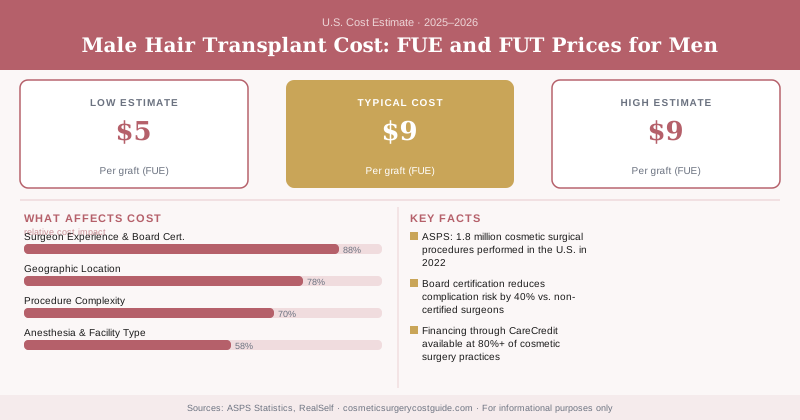
What does it actually cost to bring back a receding hairline? For most men, somewhere between $4,000 and $15,000 — and the spread is that wide because hair transplants are priced by the graft, not the procedure.
Male pattern baldness is the reason nearly every hair transplant patient walks through the door. Roughly two-thirds of American men show some hair loss by age 35, and the surgery has gotten good enough that results look completely natural when it’s done by the right hands. The question isn’t whether it works. It’s how many grafts you need and who’s planting them.
How transplants are priced
Clinics charge either per graft or a flat per-session rate. FUE (follicular unit extraction) costs more per graft than the older FUT strip method but leaves no linear scar.
| Method / Size | Cost |
|---|---|
| Per graft (FUE) | $5 – $9 |
| Per graft (FUT strip) | $3 – $6 |
| Small session (1,000–1,500 grafts) | $4,000 – $9,000 |
| Large session (2,500–3,500 grafts) | $9,000 – $15,000+ |
| Touch-up/second session | $3,000 – $7,000 |
For a fuller breakdown across techniques and clinics, see our main hair transplant cost guide. The takeaway for men specifically: a typical hairline-plus-crown restoration lands in the 2,000 to 3,000 graft range.
Plan on $4,000 to $15,000 for a male hair transplant, driven almost entirely by graft count. A receding hairline alone might run $4,000 to $7,000; restoring a balding crown too pushes you toward the high end. Many men need a second session years later as natural loss continues.
Why graft count is everything
The single biggest cost factor is how much area you’re covering. A modest hairline touch-up is a fraction of a full crown restoration. The second factor is method: FUE is pricier and more labor-intensive but skips the scalp scar, so most men choose it. Third is the surgeon — and this is where price and quality split hard.
Avoid the overseas “mega-session” bargains promising 5,000 grafts for $2,000. Overharvesting your donor area is permanent and can’t be undone. Cut-rate clinics also routinely use technicians instead of surgeons. A botched transplant means visible scarring and wasted donor follicles you’ll never get back.
The ongoing costs nobody mentions
A transplant moves existing hair — it doesn’t stop future loss. Most surgeons will insist you stay on finasteride or minoxidil to protect the hair you didn’t transplant. That’s $20 to $60 a month, indefinitely. Skip it and you may be back for another session sooner than you’d like. Budget for the maintenance, not just the surgery.
Recovery
You’ll have tiny scabs in the transplanted area for about a week to ten days. Most men return to desk work in three to five days, sometimes wearing a loose hat. The transplanted hair sheds in the first month — totally normal — then regrows starting around month three, with full results at 9 to 12 months. Patience is the price of admission. Our cosmetic surgery recovery guide covers aftercare for grafted areas.
FUE versus FUT — which is right for you
The two methods aren’t just a price difference. FUT (the strip method) removes a thin strip of scalp from the back of your head, dissects it into grafts, and leaves a thin linear scar that a longer hairstyle hides. It’s cheaper per graft and can harvest a lot of grafts in one session. FUE extracts individual follicles one at a time, leaving tiny dot scars instead of a line — so you can buzz your hair short without a visible scar. Most men today choose FUE for that flexibility, and it’s why it costs more. But if you need a very large number of grafts and don’t mind keeping your hair longer in back, FUT can stretch your budget further. A surgeon who offers both will tell you honestly which suits your hair loss and your hairstyle.
Paying for it
Hair transplants are cosmetic, so insurance won’t touch them. Most clinics offer financing — our cosmetic surgery financing guide breaks down typical APRs and terms. Before you book, verify your provider is an actual physician, ideally a board-certified plastic surgeon or dermatologist who specializes in hair restoration.
A good transplant is permanent and natural-looking. The grafts you place at a quality clinic outlast the money you’d save at a cheap one. Choose the surgeon first, then talk price.
Frequently Asked Questions
A male hair transplant typically costs between $4,000 and $15,000 in the U.S., with the final price determined by the number of grafts needed rather than a flat procedure fee. Most men require 1,000 to 3,000 grafts, and prices generally range from $3 to $10 per graft depending on the surgeon's experience and geographic location.
Hair transplants are considered cosmetic procedures and are not covered by health insurance plans, meaning you'll pay the full cost out-of-pocket. Some surgical centers offer financing options or payment plans to help make the procedure more affordable, allowing you to spread payments over 12 to 24 months.
You'll see initial growth within 3 to 4 months after surgery, with full results typically visible between 12 and 18 months as transplanted hairs go through their natural growth cycle. Most patients can return to light activities within 7 to 10 days, though strenuous exercise should be avoided for at least 3 weeks.