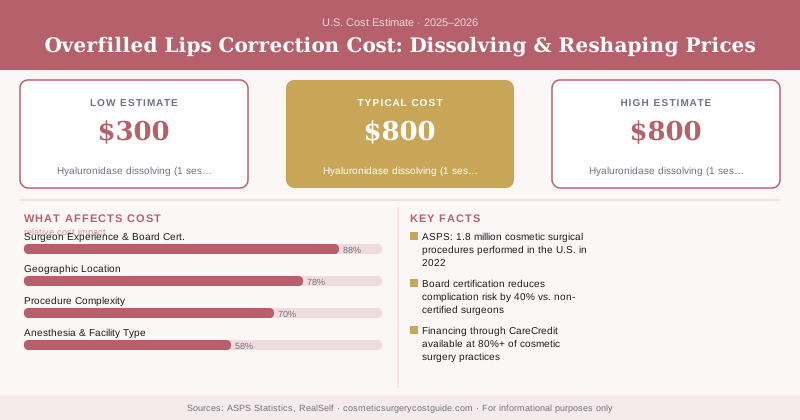
What does it cost to undo lips that went too far? Less than you fear if it’s filler — a lot more if it’s gone surgical. The “sausage lip” and “duck lip” look usually comes from too much hyaluronic acid filler stacked over multiple sessions, and the good news is most of it is reversible.
Lip filler is the most popular injectable after Botox, and the Aesthetic Society’s recent data shows hyaluronic acid filler treatments numbering in the millions per year in the U.S. With that volume, overfilling is common. Here’s how to fix it and what each route costs.
First: Is It Filler or Migration?
Two different problems hide under “overfilled.” Sometimes there’s simply too much volume. Other times the filler has migrated above the lip border, creating that shelf or mustache-area puffiness. Both are corrected by dissolving — but migrated filler often needs more enzyme and more sessions.
Overfilled Lips Correction Cost
| Correction Method | Cost Range | Notes |
|---|---|---|
| Hyaluronidase dissolving (1 session) | $300–$800 | Enzyme breaks down HA filler |
| Multiple dissolving sessions | $600–$2,000 | For heavy or migrated filler |
| Wait-and-let-dissolve (HA) | $0 | Natural breakdown over 6–18 months |
| Lip reduction surgery | $1,500–$4,000 | For permanent fillers or excess tissue |
| Surgical reshaping after silicone | $3,000–$6,000+ | Removing permanent material |
Hyaluronidase is the workhorse here — it dissolves HA filler within a day or two. The catch: it dissolves your natural HA too, so the lip may look temporarily deflated before it rebounds.
Why Permanent Filler Is the Expensive Nightmare
If someone injected you with silicone or a permanent filler instead of HA, hyaluronidase won’t touch it. That material has to be cut out surgically, and removal is incomplete and scarring. This is why our filler dissolving guide hammers on confirming you’re getting hyaluronic acid before any injection.
Never let anyone inject permanent or “semi-permanent” lip filler that isn’t hyaluronic acid. Silicone lip injections are notoriously difficult to remove, can migrate for years, and have caused chronic inflammation. If you don’t know what’s in your lips, ask for records before booking correction.
The DIY Dissolver Warning
There’s a black market for hyaluronidase sold for home use. Don’t. Allergic reactions to the enzyme can be serious, and dosing it wrong can dissolve too much or too little. Correction should happen in a medical office where reactions can be managed.
If your overfilled lips are hyaluronic acid filler, expect $300–$800 per dissolving session, sometimes a few sessions for migrated product. If it’s permanent material, you’re looking at $1,500–$6,000+ for surgical removal. Confirm what’s in your lips before paying for any fix.
What Happens After Dissolving
Once the filler’s gone, your lips return to baseline — which can feel jarring if you’d gotten used to the volume. Many patients wait a few weeks, then re-inject conservatively with a lighter hand. Slow and small beats another overfill.
Surgical Routes
When tissue itself is stretched or there’s permanent material, lip reduction surgery is the answer. It’s a step beyond injectables and shares territory with broader facial procedures in terms of recovery and cost. And if you’d rather not pay out of pocket all at once, cosmetic surgery financing can spread surgical reshaping into installments.
How Many Dissolving Sessions You’ll Need
One session often isn’t enough. Heavily layered filler — say, several syringes built up over a couple of years — can need two or three rounds of hyaluronidase spaced a couple weeks apart. Migrated filler above the lip line is especially stubborn because it’s spread thin across a wider area. That’s why the “multiple sessions” line on the cost table exists; budget for the possibility rather than assuming one visit clears everything.
The Reset-and-Rebuild Approach
A lot of patients use overfilling as a fresh start. They dissolve everything completely, wait a few weeks to see their natural lip again, then rebuild slowly with a single conservative syringe. It costs more upfront than a tweak, but it ends the cycle of stacking filler on filler that caused the problem. If you’ve been topping up for years without ever fully dissolving, a clean reset is often the smartest money you’ll spend.
What to Verify Before Any Lip Injection
Ask the brand name of the filler — Juvederm, Restylane, and similar HA products are reversible. Ask to see the box or syringe. Steer clear of anywhere that won’t name the product or pushes “permanent” results as a selling point. Five minutes of questions upfront can save you thousands in surgical removal later.
Bottom Line
Overfilled HA lips are an easy, affordable fix — dissolve and reset. Permanent fillers are the costly trap. Always verify the product before you inject, and correct in a real medical setting.
Frequently Asked Questions
Dissolving overfilled lips with hyaluronidase (an enzyme that breaks down hyaluronic acid filler) typically costs $300–$800 per treatment, depending on how much filler needs to be dissolved and your geographic location. Most patients see results within 24–48 hours, and multiple sessions may be needed if significant filler was injected.
No, health insurance does not cover cosmetic lip filler correction or dissolving treatments, as they are considered elective cosmetic procedures. You will pay out-of-pocket for the full cost, though some practices offer payment plans or package discounts if you need multiple dissolution sessions.
If you cannot afford hyaluronidase dissolution ($300–$800), you can wait 6–12 months for hyaluronic acid filler to naturally break down in your body at no cost, though this is the slowest option. Alternatively, surgical lip reshaping costs $1,500–$2,500 but provides permanent correction and is typically reserved for cases where filler dissolving alone is insufficient.