Did you know a nose can keep swelling for a full year after surgery? Most people picture rhinoplasty recovery as the week with the cast on. The truth is the visible part ends fast, but the healing, and the small ongoing costs that come with it, stretch out far longer than anyone expects.
A rhinoplasty is delicate work, and the recovery reflects that. The American Society of Plastic Surgeons counted more than 350,000 rhinoplasty procedures in 2023, the most common facial cosmetic surgery in the country. Here’s what healing actually costs beyond the surgeon’s fee.
The Recovery Cost Breakdown
Rhinoplasty supplies are cheap individually, but they add up, and the follow-up schedule plus time off are where the real money sits.
| Item | Cost |
|---|---|
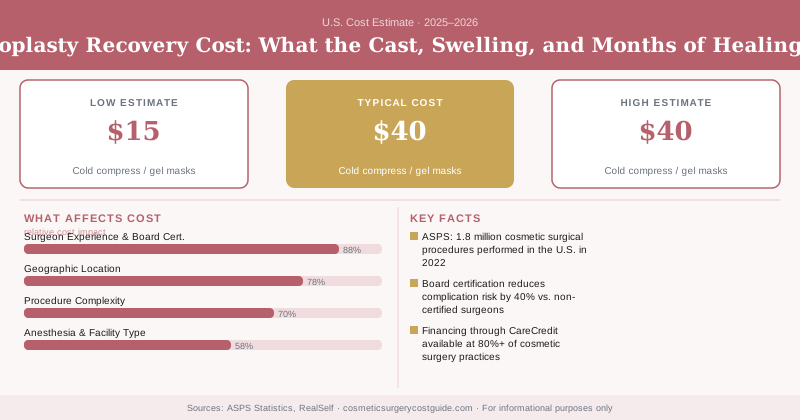
| Cold compress / gel masks | $15–$40 |
| Saline spray & nasal care supplies | $20–$50 |
| Prescription pain meds & antibiotics | $25–$100 |
| Wedge pillow for elevated sleeping | $30–$70 |
| Scar / taping supplies (open rhino) | $15–$40 |
| Time off work (1–2 weeks) | $500–$2,400 |
| Total non-surgical recovery | $605–$2,700 |
The cast comes off around day seven, but you’ll look swollen and bruised for weeks. The tip of the nose can stay subtly puffy for up to a year, which is why patience, not extra spending, is the main ask.
The First Week Is the Expensive-Feeling One
You’ll want cold compresses on hand constantly to control bruising and swelling. Saline spray keeps the nasal passages moist while they’re packed or splinted internally. None of it is pricey, but you’ll burn through it, so stock up before surgery rather than running to the pharmacy with a splint on your face.
Sleeping Elevated Matters
For the first couple of weeks you sleep on your back, head elevated, to keep swelling down. A wedge pillow is a $30–$70 investment that genuinely speeds the visible recovery. Rolling onto your face in week one is exactly what you’re trying to avoid.
Budget $300–$800 in supplies and follow-ups for a rhinoplasty recovery, plus one to two weeks of lost wages. The supplies are cheap; the real cost is time off and resisting the urge to rush back into activity that raises blood pressure to your face.
Follow-Ups Are Part of the Deal
Rhinoplasty has more follow-up touchpoints than most cosmetic surgeries: cast removal, splint checks, and swelling assessments over several months. Most surgeons fold these into the global fee, but ask. If a touch-up steroid injection is needed to settle stubborn tip swelling, that can run $75–$200 per visit.
Don’t gamble on a cut-rate surgeon to save on the procedure. Rhinoplasty is one of the most commonly revised cosmetic surgeries, and a revision rhinoplasty often costs more than the original. The recovery supplies are pocket change next to a do-over you didn’t budget for.
Why Patience Is Free but Essential
The cruelest part of rhinoplasty recovery is that it’s mostly waiting. No supply purchase speeds the deep swelling. Sun protection helps, since UV exposure can darken healing skin and incision lines, so a good sunscreen and a hat are worth it. Otherwise, the best thing you can spend is time.
Trimming the Total
Buy your cold packs, saline, and wedge pillow at retail, not through the office. Confirm which follow-ups are included before surgery so a bill doesn’t surprise you. And if the surgery cost is the hurdle, financing it keeps your recovery and follow-up budget separate and intact.
For the broader picture on timelines and what else to expect, our recovery guide covers it. With a nose job, the supplies are minor; the discipline to heal slowly is what protects the result you paid for.
Frequently Asked Questions
Recovery supplies and follow-up appointments typically add $300–$1,500 to your total rhinoplasty cost. This includes items like nasal splints, silicone sheets, prescribed medications, and multiple post-op visits to your surgeon over the healing period.
Insurance rarely covers elective cosmetic rhinoplasty or its recovery costs, though they may cover a portion of medically necessary procedures that improve breathing. Follow-up appointments are usually considered part of the surgical package, so check with your surgeon whether they're included in your initial quote or billed separately.
Most visible swelling subsides within 2–3 weeks, but your nose can continue swelling for a full year after surgery as final results develop. You can typically return to light work and daily activities within 1–2 weeks, but strenuous exercise and contact sports should be avoided for at least 4–6 weeks.