The $9,000 quote you got for your abdominoplasty? That’s not the whole story. The first six weeks after a tummy tuck come with their own bill, and most patients never see it coming until they’re standing in a pharmacy aisle with a basket full of gauze.
Here’s the part surgeons sometimes gloss over: a full tummy tuck is one of the more punishing recoveries in cosmetic surgery. You’re hunched over for a week, you can’t lift anything, and you’ll need help. All of that costs money on top of the operating-room fee.
What Recovery Actually Costs
Recovery spending breaks into things you must buy and things you’ll probably want. Here’s a realistic range for a standard full abdominoplasty.
| Item | Cost |
|---|---|
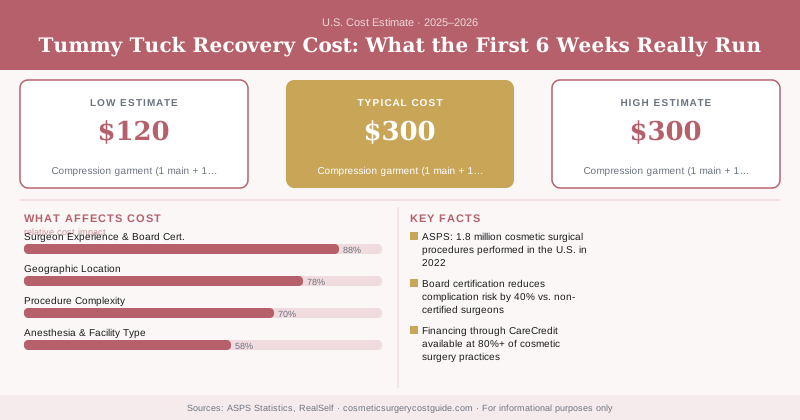
| Compression garment (1 main + 1 backup) | $120–$300 |
| Drain care supplies & extra gauze | $40–$90 |
| Prescription pain meds & stool softeners | $30–$120 |
| Scar treatment (silicone sheets/gel) | $40–$150 |
| Help at home (2 weeks, part-time) | $400–$1,200 |
| Lost wages (3–4 weeks off) | $1,500–$6,000 |
| Total non-surgical recovery | $2,100–$7,800 |
Lost wages are the giant nobody budgets for. The American Society of Plastic Surgeons reported more than 161,000 tummy tucks in 2023, and a full one usually means 3 to 4 weeks before you can sit at a desk comfortably, longer if your job involves lifting.
The Drains Are a Real Expense
Most full tummy tucks come with surgical drains for 1 to 2 weeks. You’ll strip them, measure output, and log it. Replacement gauze, surgical tape, and a drain-holding garment or lanyard add up to roughly $40–$90. Some surgeons include this in your post-op kit, but plenty don’t, so ask before surgery.
Help at Home Isn’t Optional
For the first week you can’t stand fully upright, can’t lift more than a few pounds, and shouldn’t drive. If you have kids or pets, factor in real help. Hiring a part-time aide or post-op caregiver runs $20–$35 an hour in most US markets. Even leaning on family, you’ll spend on prepared meals and grocery delivery.
Budget an extra $2,000–$3,000 beyond your surgery quote for a tummy tuck recovery, and that’s before lost wages. The garment, drain care, and help at home are predictable. Build them into your plan before you book.
Garments You’ll Actually Use
You’ll live in a compression garment for 6 to 8 weeks. One isn’t enough. While the first is in the wash, you need a backup, so buy two from the start. Medical-grade abdominal binders run $60–$150 each. Cheaping out here is a false economy; a garment that rolls or digs in slows your recovery.
Skipping compression or stopping early is a common, expensive mistake. Poor compression raises your risk of seroma (fluid buildup), and draining a seroma in the office can cost $150–$400 per visit. Wearing the garment as directed is cheaper than treating the complication.
Scar Care Is a Months-Long Cost
Your incision runs hip to hip, so scar care matters. Silicone sheets or gel cost $40–$150 for a several-month supply, and you’ll likely use them for 3 to 6 months. Some patients later add laser scar treatment at $200–$500 a session, though that’s optional.
How to Keep the Number Down
Ask your surgeon exactly what’s included in your post-op kit; many include the first garment and basic drain supplies. Buy your backup garment yourself rather than through the practice, where markups are steep. And use any financing options to spread the surgery cost so your recovery cash isn’t drained.
If you’re weighing the whole picture, our recovery guide walks through timelines, and choosing a board-certified plastic surgeon up front lowers your odds of a complication that blows up the budget. Recovery is where tummy tuck patients get blindsided, so plan for it like you planned for the surgery itself.
Frequently Asked Questions
Recovery expenses typically add $800–$2,500 beyond your surgery cost and include compression garments ($150–$400), drain supplies and dressings ($100–$300), prescription medications ($50–$200), and in-home help or childcare ($500–$1,500 depending on how many weeks you need assistance). Most patients are surprised by these hidden costs that surgeons often don't itemize upfront.
Most health insurance plans do not cover cosmetic tummy tucks or their recovery expenses since the procedure is elective, meaning compression garments, drains, and time-off work are entirely out-of-pocket. If your abdominoplasty is medically necessary (such as after massive weight loss causing skin infections), some insurers may cover surgery itself, but recovery supplies are rarely included in coverage.
Most patients need 2–3 weeks off work for desk jobs and 4–6 weeks for physically demanding roles, which translates to lost income ranging from roughly $1,500–$4,000 for average US earners. Your surgeon may require clearance before returning to normal activities, and returning too early can compromise results and extend healing time.