Roughly 1 in 7 — that’s the kind of share that smokers face for wound-healing problems after major body surgery, and it’s why every consultation hammers on quitting nicotine. When an incision won’t close, splits open, or the skin edge dies, you’re dealing with a wound-healing complication. And the treatment cost climbs fast with severity.
Wound healing problems are well-documented across cosmetic surgery, with the Aesthetic Society and surgical literature flagging smoking, diabetes, and tension on the incision as the biggest drivers. Let’s break down what the fixes cost.
The Spectrum of Problems
It runs from minor to severe. Delayed healing is just slow closure needing extra wound care. Dehiscence is when the incision pulls apart. Necrosis is when the skin edge actually dies and has to be removed. Each step up the severity ladder adds zeros to the bill.
Wound Healing Complication Cost
| Complication | Cost Range | Treatment |
|---|---|---|
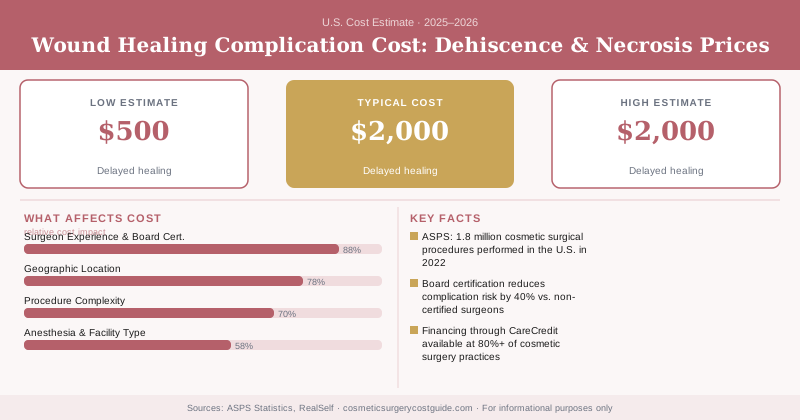
| Delayed healing | $500–$2,000 | Extra wound care, dressings |
| Minor dehiscence | $1,000–$3,000 | Re-closure, local care |
| Wound infection | $1,500–$5,000 | Antibiotics, drainage, debridement |
| Skin necrosis (small) | $3,000–$7,000 | Debridement + closure |
| Major necrosis / skin graft | $6,000–$10,000+ | Surgical reconstruction |
These ranges include office visits, dressing supplies, and procedures. Specialized wound dressings and home nursing can add to the lower-severity bills.
The Procedures Most at Risk
Long-incision surgeries with skin tension top the list — tummy tucks, body lifts, breast lifts. The longer the incision and the tighter the closure, the higher the risk. If you’re planning a tummy tuck, the lower incision at maximum tension is exactly where dehiscence tends to show up.
Smoking and nicotine — including vapes, patches, and gum — dramatically increase wound complications by choking off blood supply to healing skin. Surgeons may refuse to operate until you’ve been nicotine-free for weeks, and for good reason: continuing can turn a routine incision into a necrosis requiring a skin graft.
Why It Often Falls on You
Like most complications after elective surgery, wound-healing treatment is frequently considered part of the cosmetic episode and billed to the patient. Insurance may step in only if there’s a serious infection requiring hospitalization — our insurance and plastic surgery guide covers that gray area.
Wound-healing complications cost $500 for minor delayed healing up to $10,000+ for major necrosis needing a skin graft. The single biggest preventable risk factor is nicotine. Quit completely well before surgery and you slash your odds — and your potential bill.
Prevention Beats Treatment
Beyond quitting nicotine: control blood sugar if you’re diabetic, eat enough protein, avoid early strenuous activity that strains the incision, and follow drain-care instructions exactly. These cost nothing and prevent most healing problems.
When It Leaves a Scar
A complication that heals slowly often leaves a worse scar. Once everything’s closed and stable, a scar revision may improve the appearance — but only after the wound is fully mature, usually a year out. And if a complication does land out of pocket, cosmetic surgery financing can spread the cost.
Why Tension Is the Enemy
Surgeons talk constantly about “tension on the closure,” and there’s a reason. Skin needs blood flow to heal, and when an incision is pulled tight, the edges get less circulation. That’s why the lowest, tightest point of a tummy tuck or the T-junction of a breast lift are the classic trouble spots. A surgeon who closes under appropriate tension and supports it with deep sutures is buying you a smoother heal — worth asking about at consultation.
The Cost You Can’t See: Time
A wound complication doesn’t just add medical bills. It adds weeks of dressing changes, extra clinic visits, and sometimes home nursing. If you took time off for a tidy two-week recovery and end up with a wound that’s still open at week six, that’s lost income and missed plans on top of the treatment cost. The full price of a complication is always more than the line item.
Diabetes and Nutrition
If you’re diabetic, tight blood-sugar control before and after surgery dramatically improves healing — uncontrolled glucose starves wounds and feeds infection. Protein matters too; your body literally builds new tissue from it. These aren’t glamorous interventions, but eating well and managing blood sugar are free, and they keep you in the cheap end of the cost table rather than the expensive one.
Bottom Line
Wound-healing complications scale from cheap extra dressings to five-figure reconstruction. Nicotine is the biggest preventable driver — quit early, control your health factors, and follow post-op instructions to keep yourself in the cheap end of this range.
Frequently Asked Questions
Treatment for wound dehiscence (when an incision splits open) typically ranges from $1,500 to $5,000, depending on whether you need office-based wound care, local anesthesia re-closure, or operating room revision. More severe cases requiring skin grafting or flap procedures can reach $8,000 to $10,000.
Most standard health insurance plans will not cover complications from elective cosmetic surgery, since the original procedure itself is not covered. You'll typically pay 100% out-of-pocket for treating dehiscence, necrosis, or delayed healing, though some surgeons may offer revision care at a reduced rate if deemed a surgical error.
Recovery from dehiscence treatment takes 2 to 6 weeks depending on whether you need simple re-closure or more extensive revision, with full healing extending to 3 months. You can significantly reduce your risk by quitting smoking at least 4 weeks before surgery, following post-operative wound care instructions precisely, and avoiding strenuous activity during the initial healing phase.